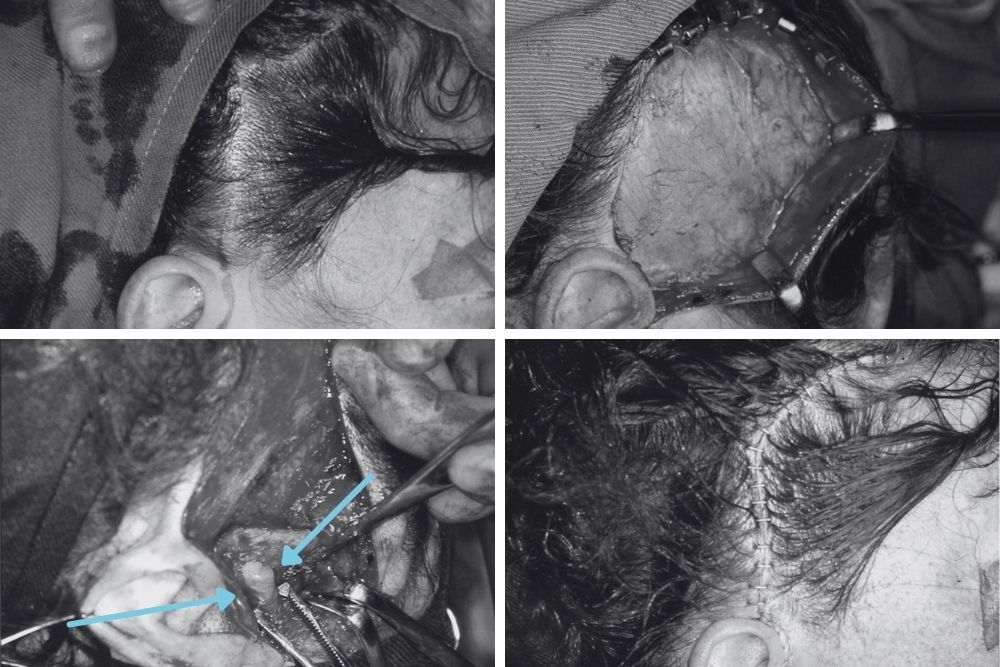
Temporomandibular Joint (TMJ) Disorders encompass functional, developmental, and degenerative disorders, injuries, tumors, and inflammatory conditions of the temporomandibular joint (TMJ). The most common TMJ disorder is painful dysfunction or meniscus (disc) subluxation.
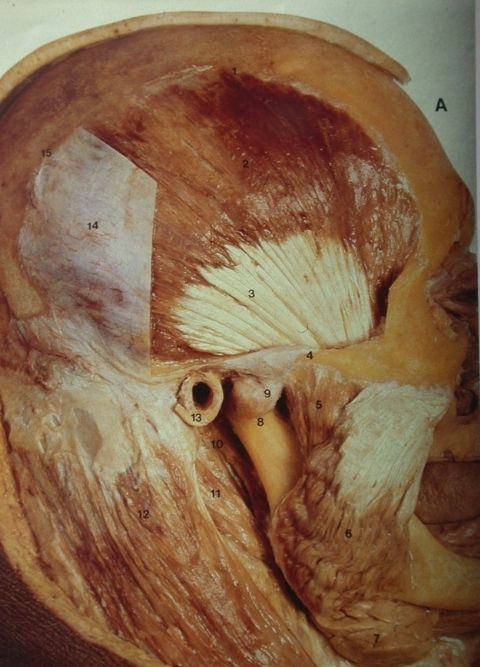
TMJ injuries are described within the section on facial and jaw fractures.
Signs and Symptoms of Painful Dysfunction: The Most Common TMJ Disorder
TMJ painful dysfunction (Myofascial Pain Syndrome) presents with numerous signs and symptoms and is frequently associated with depression. It typically takes several months, and sometimes years, for this disorder to fully develop.
As a rule, it begins with audible clicking when opening the mouth. This is followed by pain in the TMJ area in front of the ear, difficult and painful mouth opening and chewing, and eventually, the inability to open the mouth (trismus). When pain becomes the dominant symptom, it radiates toward the angle of the jaw, the eye, the temporal region, and the neck.
Patients sometimes experience a sensation of a “misaligned bite,” which is actually a consequence of a swollen meniscus.
Inflammatory and Degenerative TMJ Disorders
Inflammatory and degenerative TMJ disorders include:
Septic arthritis is a bacterial infection of the TMJ. While not common, it presents with severe symptoms and can be particularly problematic in children. It is accompanied by classic signs of acute infection: swelling and redness, difficulty opening the mouth, fever, and malaise. One of the severe consequences of septic arthritis is TMJ ankylosis.
Ankylosis
TMJ ankylosis refers to reduced mobility of the joint and can be either fibrous or bony. In fibrous ankylosis, movements are restricted, with the mouth opening only about 20 mm or less (normal opening is 45–50 mm). This involves immobility due to the fusion of joint bones and calcification of ligaments.
In the case of bony ankylosis, the most severe complication of TMJ disorders, opening the mouth becomes almost impossible.
In children aged 6–8 years, TMJ ankylosis is treated surgically by removing the bone mass fused to the joint. During the procedure, the condylar head is reconstructed using a costochondral graft (a piece of rib with cartilage). This graft contains a growth center, allowing the mandible to continue its growth.
The treatment of rheumatoid arthritis, osteoarthritis, and degenerative arthritis is mainly symptomatic, with surgical intervention required only in rare cases.
TMJ Disorders as Developmental Disturbances
Developmental disturbances of the TMJ include:
Condylar Hyperplasia
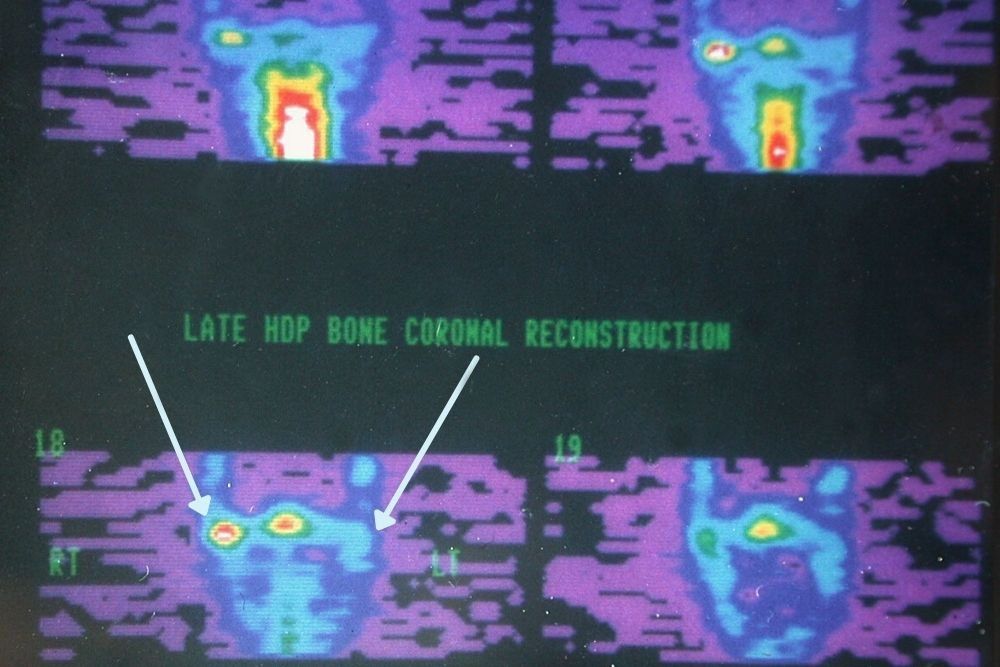
This TMJ disorder is characterized by uncontrolled and/or accelerated growth (elongation) of the condyle (the joint head), occurring after the completion of normal growth and development. This disturbance leads to a crossbite or a unilateral open bite, causing facial asymmetry.
Condylar Hypoplasia
A short ramus and condylar process of the mandible are the primary causes of condylar hypoplasia. This results in the shortening and shifting of the mandible toward the affected side, malocclusion, and flattening of the face on the unaffected side.
Treatment is surgical, following the principles of orthognathic surgery (correction of facial and jaw deformities), and in recent years, through distraction osteogenesis.
Condylar Aplasia
Condylar aplasia is an extremely rare disorder that can be unilateral or bilateral. It significantly affects facial appearance; in bilateral cases, the face takes on a “bird-like” profile. Unilateral aplasia manifests as facial asymmetry.
Treatment is exclusively surgical. In younger patients, a costochondral (rib-cartilage) graft is used. In adolescents, this deformity is corrected according to the principles of surgical treatment for facial and jaw deformities (orthognathic surgery).
Tumors
The tumors that most commonly develop in the TMJ are osteochondroma and chondroma. The treatment for TMJ tumors is exclusively surgical.