


Ear correction is a surgical method known by the professional term otoplasty.
This operation corrects the position, shape, and size of the ear lobes.
INDICATIONS FOR OTOPLASTY
Ear correction is performed in the following cases:
Protruding ears are usually bilateral, sometimes unilateral, and in most cases, they are less pronounced, rarely very pronounced.
Protruding ears may sometimes be associated with another anomaly of the entire ear lobe, either in terms of size or shape. The ear lobe may have less or more noticeable deformities of shape, manifesting as bulges on the upper edge and other contour irregularities.
In certain cases, the ear lobe may be partially or completely undeveloped (babies born without an ear lobe). The cause of this occurrence is prenatal underdevelopment or postnatal deformity due to perichondritis (inflammation of the ear cartilage), trauma, or cancer.
Ears can be uneven not only regarding the degree of their separation from the head (protrusion) but also in terms of size.
Patients dissatisfied with the results of a previous surgical procedure undergo revision otoplasty. Achieving the desired shape of the ears is determined by many factors, so one procedure may not always be sufficient, necessitating repetition.
-
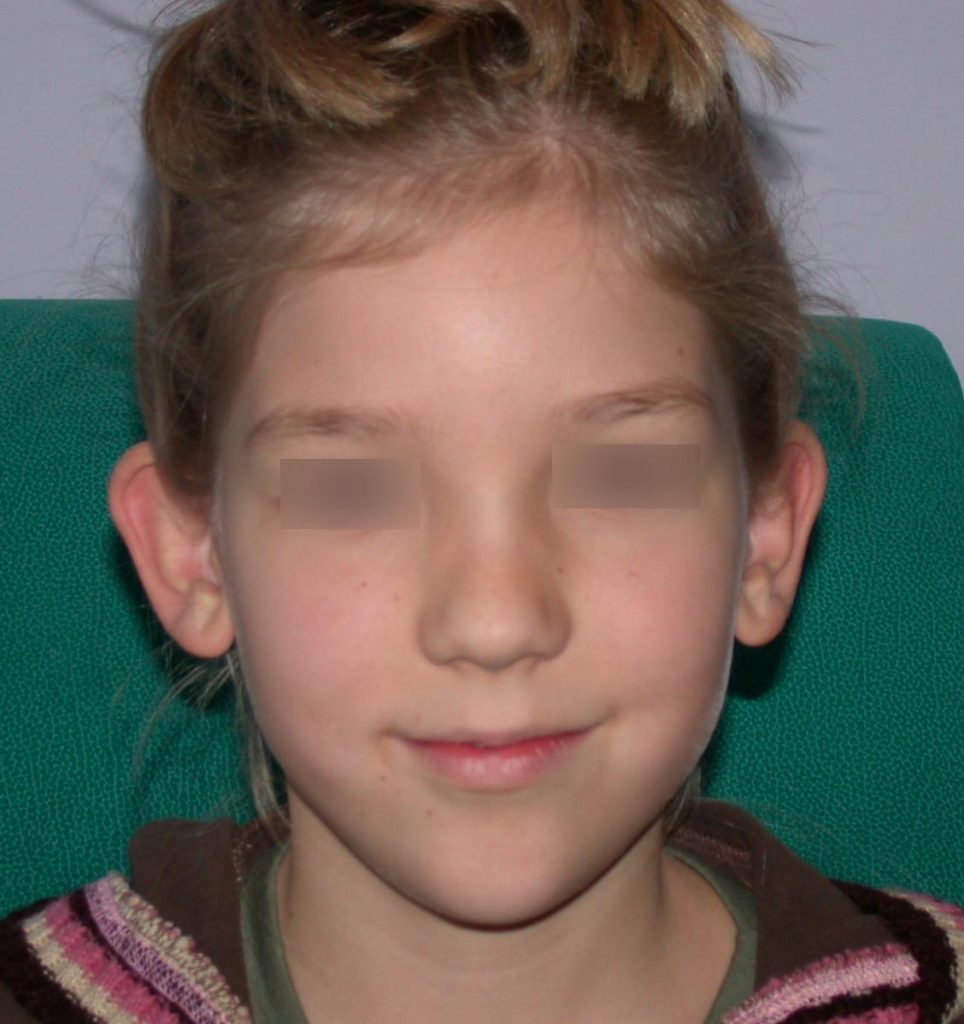
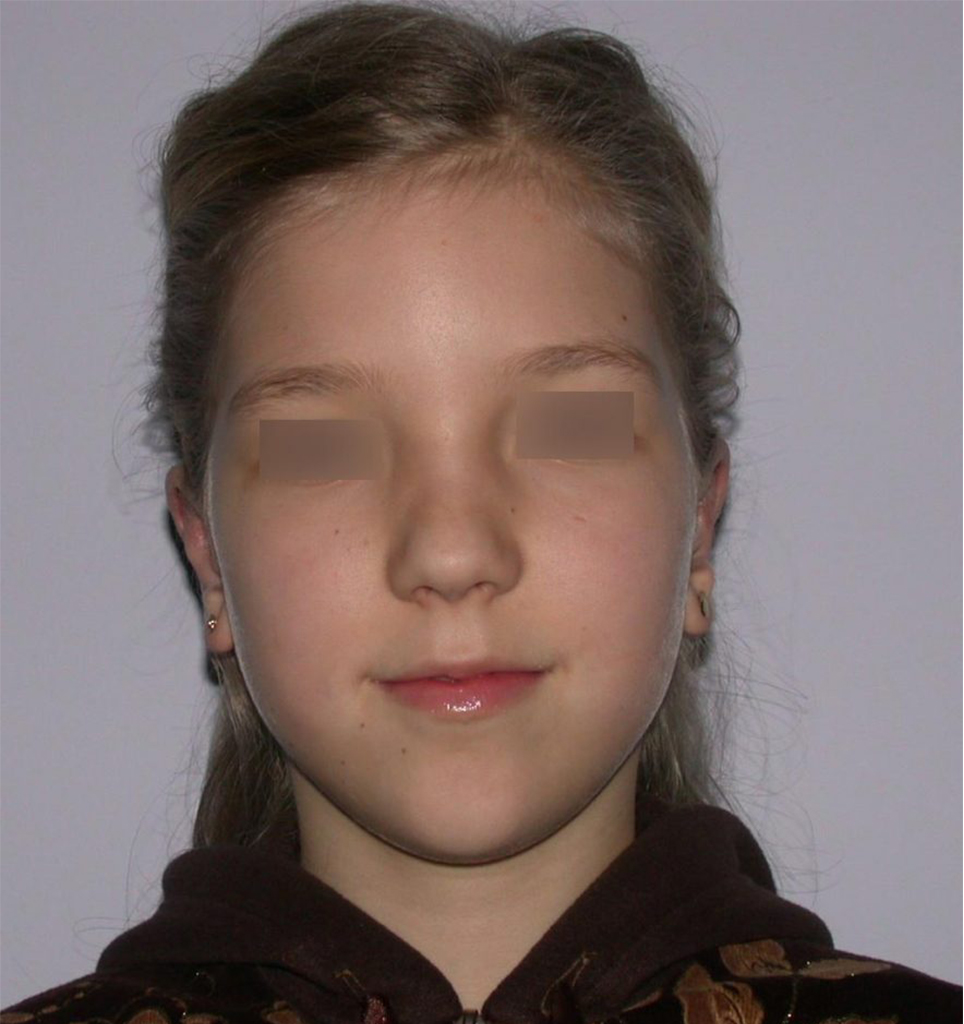
Pre Korekcija ušiju Posle
EAR CORRECTION – PREPARATIONS FOR SURGERY
This intervention can be performed on children from the age of 6, as this is the period when their development is completed. At this age, the cartilage of the ear lobes is softer and more amenable to reshaping than in adults.
EAR CORRECTION – SURGERY
In small children, general anesthesia is used; in older children and adults, local anesthesia is more suitable. The operation lasts about two hours.
In this most commonly used technique, the incision is made on the back of the ear lobe, where access is obtained to the cartilage, which is reshaped and bent towards the head. The incision can be secured with sutures, which are then sewn into the skin.
POSTOPERATIVE PERIOD
A bulky, soft bandage is worn on the head for seven days, whose role is to maintain the new position and shape, as well as to protect the ear lobes.
Mild pain may occur, which can be successfully controlled with medication. The stitches are removed on the seventh day, and at that time, the bandage is replaced with an elastic band around the head.
Return to work or school can be expected after ten days.
